32FT PVC Flex Duct for 12-Inch Exhaust Fans
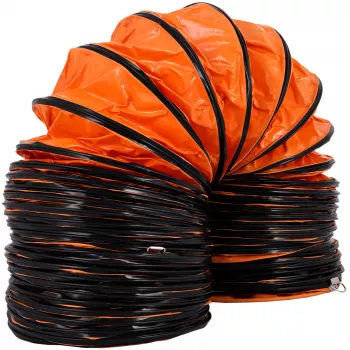
32FT Flexible PVC Ventilation Duct Hose for 12-Inch Exhaust Fans
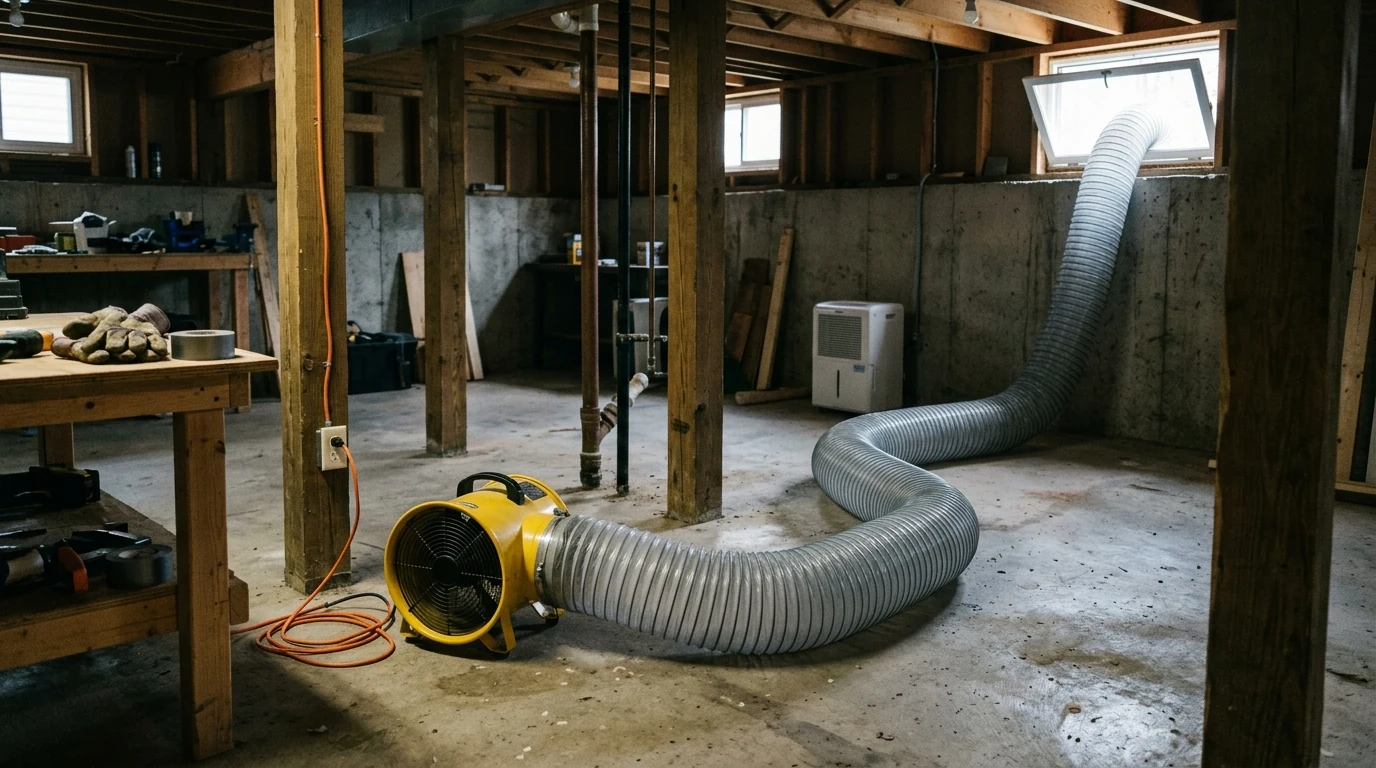
A long, flexible duct run can make the difference between moving stale air effectively and recirculating it back into the space. This 32-foot PVC ventilation duct hose is designed to pair with 12-inch exhaust fans for jobs like temporary ventilation, odor control, light dust extraction, and air exchange in workshops, crawlspaces, basements, and job sites. When the fan can’t sit right at a window or doorway, a longer duct helps you place the blower where it works best while still pushing or pulling air to a controlled discharge point.
What This Duct Hose Is Built To Do
Portable ventilation is all about getting airflow where it’s needed without turning the whole setup into a permanent install. A flexible PVC-style duct helps bridge the gap between the fan and the problem area—especially when walls, joists, or equipment force you to route around obstacles.
- Extend the reach of a 12-inch exhaust fan to pull air from hard-to-reach areas
- Provide a lightweight, flexible path for exhausting air outdoors or into a designated area
- Support temporary ventilation setups where rigid ducting is impractical
- Help improve air exchange for projects involving fumes, humidity, or stale air accumulation
For general guidance on improving indoor air and ventilation practices, see resources from the EPA’s Indoor Air Quality overview and OSHA’s ventilation information.
Key Specs That Matter for Real-World Use
- Length: 32 feet for longer runs, routing around obstacles, or reaching windows/doors for exhaust
- Fan compatibility: sized for 12-inch exhaust fans; confirm the fan outlet collar diameter and clamp style
- Material: PVC-style flexible ducting designed for portable ventilation and easy handling
- Use case fit: best for general ventilation and air movement applications rather than high-heat exhaust
Quick fit checklist before buying
| Check | What to verify | Why it matters |
|---|---|---|
| Diameter match | Fan outlet is 12-inch and the duct can seat fully over the collar | Prevents air leaks and reduces blow-off risk |
| Connection method | Clamps, drawstrings, or couplers supported by your fan/duct ends | Ensures a secure seal under airflow and vibration |
| Routing path | Turns, bends, and distance from fan to outlet point | Sharp bends reduce airflow and increase noise |
| Environment | Moisture, dust, mild chemical odors vs. heat/sparks | Avoids premature wear or unsafe use |
Best Places to Use a 32-Foot Flexible Ventilation Duct
Longer ducting is most helpful when the “best fan location” and the “best discharge location” aren’t the same spot. That’s common in older basements, tight access areas, and active job sites where you want to keep the fan stable, level, and protected while still directing air to an exit.
- Basements and crawlspaces: move damp or stale air toward an exit point to support dehumidification work
- Workshops and garages: exhaust paint/solvent odors (ensure the fan and setup are appropriate for the specific fumes present)
- Construction and restoration: temporary ventilation after water damage, during drying, or for general air exchange
- Greenhouse and grow areas: route exhaust to a specific outlet location to manage heat and humidity
- Boat bays and storage rooms: move stagnant air out when natural airflow is limited
In spaces where dust is part of the job, pairing ventilation with cleanup helps keep surfaces and corners from becoming a re-contamination source once airflow stops.
Installation Notes for Smoother Airflow
Flexible duct is convenient, but airflow performance depends heavily on how it’s routed. Small setup decisions—like where the duct sags or where it pinches around a corner—can have an outsized impact on delivered airflow.
- Keep the duct as straight as practical: every tight bend increases resistance and can cut effective airflow
- Support long horizontal runs: reduce sagging, which creates extra friction and can collect condensation or dust
- Seal connections: use appropriate clamps or straps at the fan collar and at the outlet end to minimize leakage
- Place the discharge thoughtfully: vent outdoors when possible and keep the outlet away from doors, intakes, or occupied areas
- Avoid kinks: a single pinch point can act like a partial damper and reduce performance noticeably
Care, Storage, and Durability Tips
Material Comparison: PVC Flexible Duct vs Other Common Options
| Option | Strengths | Watch-outs |
|---|---|---|
| PVC flexible duct | Flexible routing, easy handling, good for temporary setups | Avoid high-heat exhaust; protect from sharp edges |
| Aluminum foil flexible duct | Common and widely available, can be compact | More prone to crushing/tearing with frequent moves |
| Fabric-style ventilation duct | Lightweight and packable, popular for portable blowers | Durability and sealing vary by model and use |
Product Options Available
Compare related options such as 32FT Flexible PVC Ventilation Duct Hose for 12-Inch Exhaust Fans, and 5-Shelf Tall Wood Bookcase, 72″ Open Display Storage Organizer for Bedroom & Living Room to match features, dimensions, and use case before choosing.
FAQ
Will this work with any 12-inch exhaust fan?
It should fit fans that have a true 12-inch outlet collar, but it’s important to confirm the outside diameter and the connection style. Plan on using an appropriate clamp or coupler so the duct seals tightly and stays secure under vibration.
How much does a long duct run reduce airflow?
Longer runs, tight bends, and sagging increase static pressure and reduce delivered airflow. Keeping the duct straighter, supporting it to prevent droops, and minimizing sharp turns helps maintain performance.
Can this duct be used for hot air exhaust?
PVC-style ventilation ducts are generally intended for standard ventilation and mild conditions, not high-heat exhaust. Avoid high-temperature sources and follow the fan and duct temperature limits and safety guidance for your specific application.















Leave a comment